
How Traffic Warrants Work in Floyd County
A ticket by itself is not a warrant. The trouble usually starts with a failure to appear or another unmet court order. Indiana Code 9-30-3-8 also lets the court report the case, which can bring Bureau of Motor Vehicles consequences on top of everything else. The docket tells you what actually happened, not the fact that money is still owed. Where does the case sit? Floyd County local rules send most infractions, ordinance violations, motor-vehicle-code matters, traffic misdemeanors, and Level 6 traffic felonies to Superior Court 2. Listed exceptions can shift a case for military history, a problem-solving court connection, probation, or another pending matter. So check the court code on your ticket rather than assuming it stays in one room.
Superior Court 2 Traffic Warrants
Floyd Superior Court 2 sits in Room 425 at 311 Hauss Square, New Albany, and answers at 812-948-5488. It anchors traffic cases for Floyd County, and it is not a municipal court. New Albany, Georgetown, and Greenville have no standalone municipal courts in the official Floyd listings.
Superior Court 2
Primary venue for Floyd traffic and ordinance assignments under the local rules.
812-948-5488
Floyd County Clerk
Official record, criminal and traffic payment, and case-confirmation counter.
812-948-5411
A city officer may write the citation. The Floyd County court still controls the docket, the appearance requirement, the warrant, and everything that follows.
Floyd County Traffic Warrant Checks
Use every court channel available. Start with Indiana traffic ePay if the ticket looks eligible, searching by Uniform Traffic Ticket number or by name and date of birth. MyCase can then pull up the public case and docket for Floyd County. Neither one promises live warrant status.
- Gather the UTT, case number, name as cited, birth date, ticket date, and police agency.
- Check ePay for ticket eligibility and MyCase for docket events.
- Save the Floyd court code and cause number.
- Call the Clerk at 812-948-5411 and ask whether an FTA or warrant remains active.
- Ask the assigned court what appearance, filing, payment, or hearing is required.
A blank result proves nothing. Retry the exact spelling from the citation plus another identifier, since Indiana's portal warns that a new ticket can take up to ten business days to appear. A Floyd County court record can still exist behind that empty screen.
Search Floyd Tickets by UTT
The UTT is the Uniform Traffic Ticket number printed on the citation. It is not the court cause number that comes later, nor the warrant entry. The official ePay screen also asks for ticket date, police agency, and court on that route.
| Field | Use | Practical note |
|---|---|---|
| UTT number | Direct ticket search | Enter the identifier from the citation |
| Ticket date | Narrows the ticket | Use the cited date |
| Police agency | Identifies issuer | It does not identify the court by itself |
| Name and birth date | Alternate search | Use the full cited name |
| Case number | MyCase and Clerk follow-up | May begin with 22D02 |
Choosing "View" opens case details when a record qualifies. Payment screens may include a plea acknowledgement. Read it before paying, because paying can waive rights. A lawyer can explain the effect when the charge or plea is disputed.
Traffic Warrants: What They Show
What matters is the full case timeline. A Floyd County traffic docket can show the citation and filing data, the assigned court, party identity, hearing dates, payment entries, a failure to appear, a warrant issued or recalled, and later disposition. Some information may sit behind access limits.
| UTT | The ticket identifier used by ePay. |
|---|---|
| Cause number | The court record identifier and court code. |
| FTA | Failure to appear, meaning a required court appearance was missed. |
| Warrant event | A docket entry showing issuance, service, return, or recall. |
| Payment status | What the portal accepts, not proof that every court duty is cleared. |
| Disposition | The court's recorded outcome or later action. |
Note: Recall means the Floyd County court withdrew the warrant, so confirm that entry with the Clerk before relying on it.
When Floyd ePay Says Ineligible
Ineligible does not mean the ticket vanished. It may just be a ticket the portal will not take. Check MyCase, then call the Clerk and ask whether the Floyd County case needs an appearance, has a failure-to-appear event, moved courts, or requires another payment method.
Next step: Keep the UTT and cause number together, then ask the Clerk which Floyd County court now controls the case.
The Clerk counter takes the methods named in its official instructions, including cash, money order, and cashier's check. Verify the current balance and accepted form before sending money or driving over. Then keep the receipt and recheck the Floyd County docket after the court acts.
Clearing a Floyd County Traffic Warrant
Only the court can say what clears the warrant. The answer might be a new appearance, payment, a filed request, a bond decision, or hiring counsel. Paying a balance does not always recall a failure-to-appear warrant at once. And bond is a release mechanism, not a dismissal of the Floyd County case.
- Confirm the issuing court and current docket status.
- Ask whether personal appearance or counsel is required.
- Ask the court how a recall is entered and when it becomes effective.
- Pay only through an official route and retain proof.
- Verify both the court record and any related BMV clearance.
Caution: Do not travel to surrender or post bond until the court, Clerk, or jail confirms current reporting and payment instructions.
During Clerk business hours, court bond runs through Room 235. After hours, on weekends, and on holidays, the jail front lobby at 175 W. Spring Street handles its listed route. Bring exact cash and valid government ID to the jail.
How Traffic Warrants Trigger License Holds
A court failure to appear and a BMV consequence are linked but separate records. The court handles the case, the warrant, the appearance, and the disposition. The BMV acts only on a qualifying court report. Fixing the license alone does not erase the Floyd County case, and paying the court does not update the BMV screen instantly.
| Issue | Court role | BMV role |
|---|---|---|
| Missed appearance | Records FTA and may issue warrant | Receives qualifying report |
| Resolution | Sets appearance, payment, or other step | Processes court clearance |
| Verification | Clerk confirms the docket | BMV confirms license status |
Indiana guidance is clear: the court sends the clearance notice, not the individual. After the qualifying court action, check both the Floyd County docket and the BMV record.
Floyd Police Records Are Separate
New Albany Police lists records, communications, and investigative contacts, but no warrant-search portal. The New Albany Police source shows where that agency's role ends for Floyd County warrant questions.
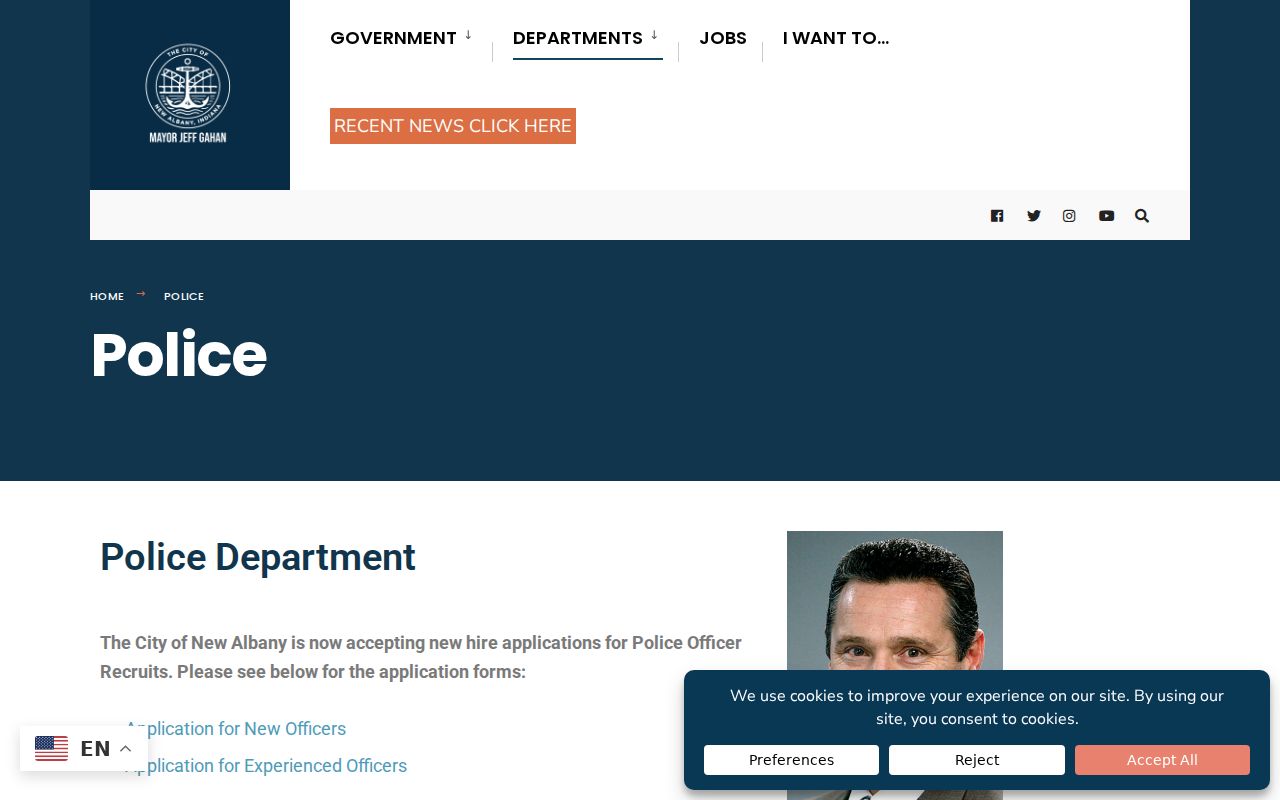
A city officer may be on the ticket, yet the Floyd County court and Clerk remain the record route. The Georgetown Police source likewise offers an official contact plus mail or drop-off options. It is not a town warrant database.
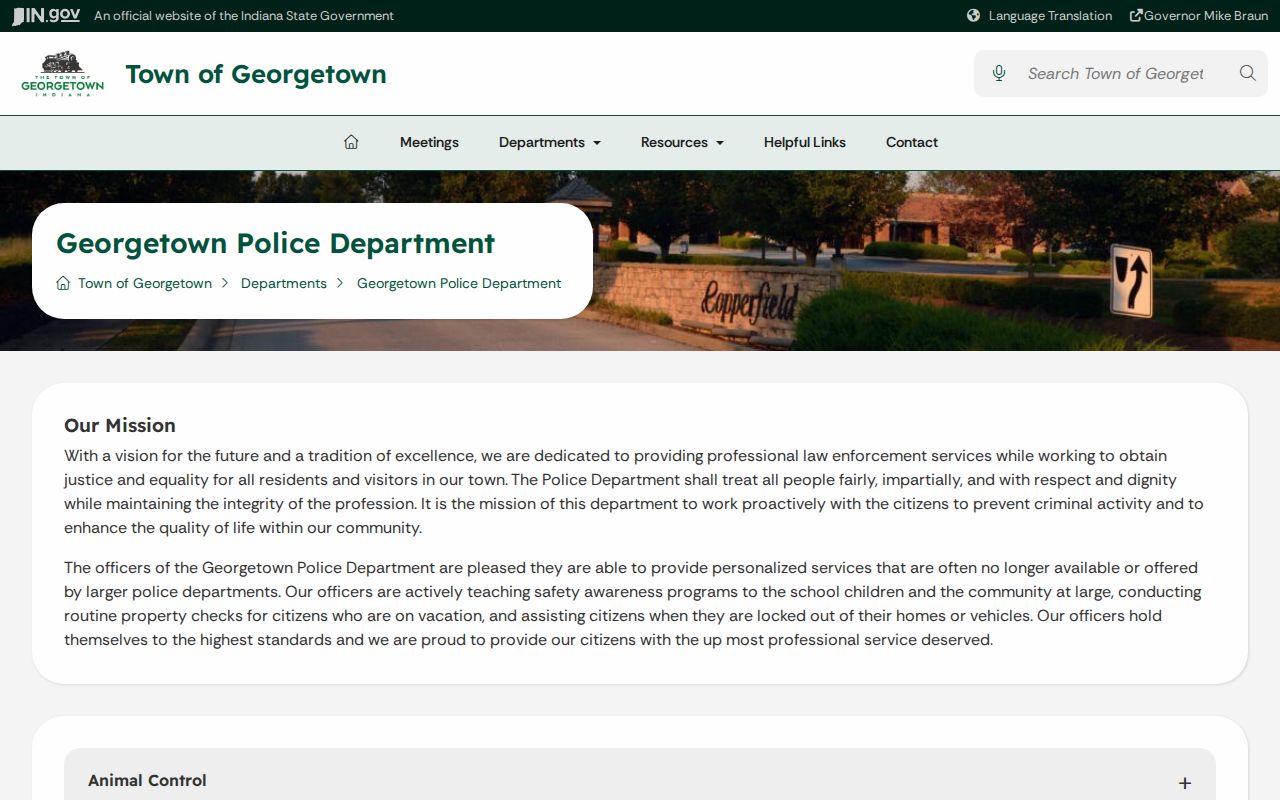
No town warrant list exists there. For a court-record question, call the Clerk before traveling to any Floyd County police station.
Floyd Traffic Warrant Local Context
Census data lists New Albany, Georgetown, and Greenville as Floyd County's three incorporated places. The official Census place table gives the population context.
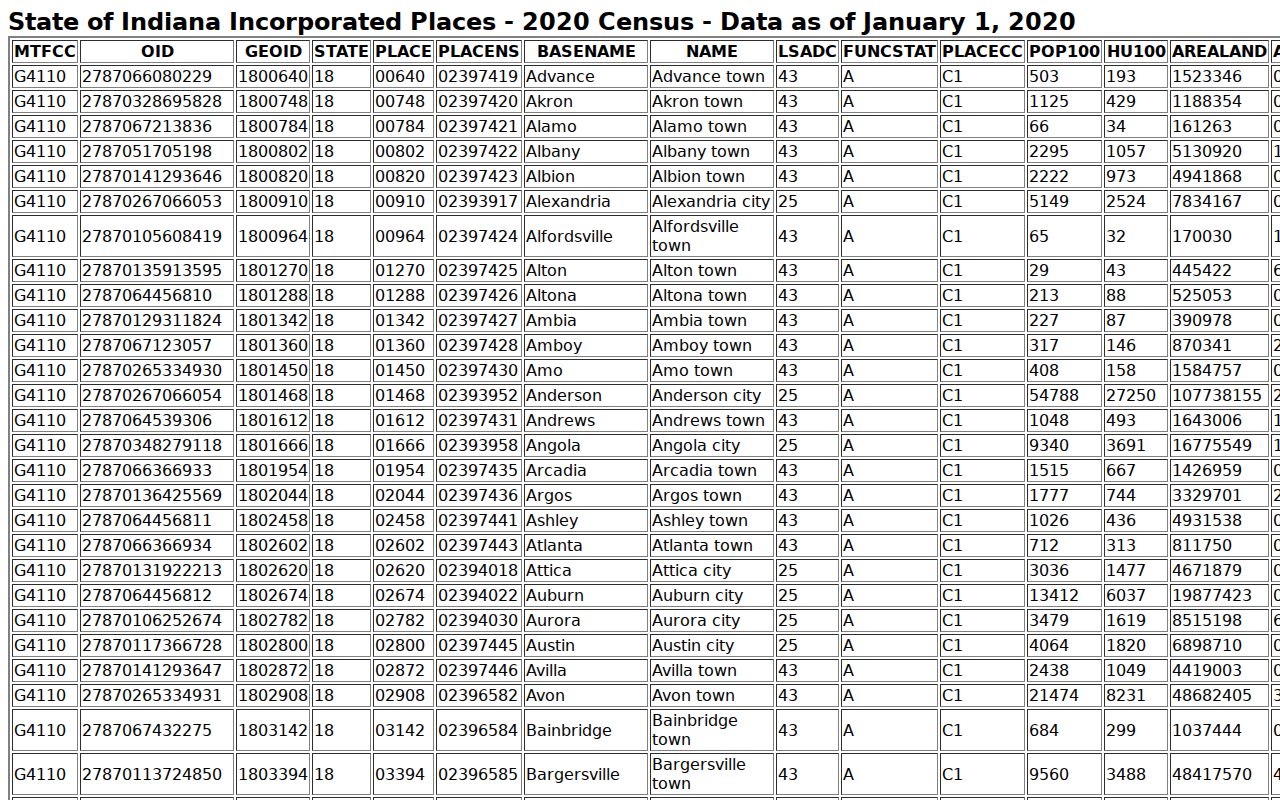
Floyd County has no separate city traffic courts to check. Its traffic and ordinance cases flow through the county bench, mostly Superior Court 2 under local assignment rules.
Verifying Floyd Traffic Warrant Totals
No Floyd County office publishes a running count of open traffic warrants. MyCase totals look tempting but mislead, since filters, confidential records, old cases, and repeat events all skew the math. Jail bookings count people in custody, not warrants still active in court. If you need a real figure, file an aggregate records request asking whether the Clerk or the Sheriff keeps a tally, and name a clear date range. For a single name, skip the counting and go straight to the Clerk. Bring the cause number, the UTT, the name as cited, the hearing date, and current contact details. Ask the Clerk to confirm the assigned court and the latest warrant or recall entry. Then ask that court directly what action remains. That keeps your Floyd County warrant check tied to the official court record, not guesswork.